AWG: Earth Systems
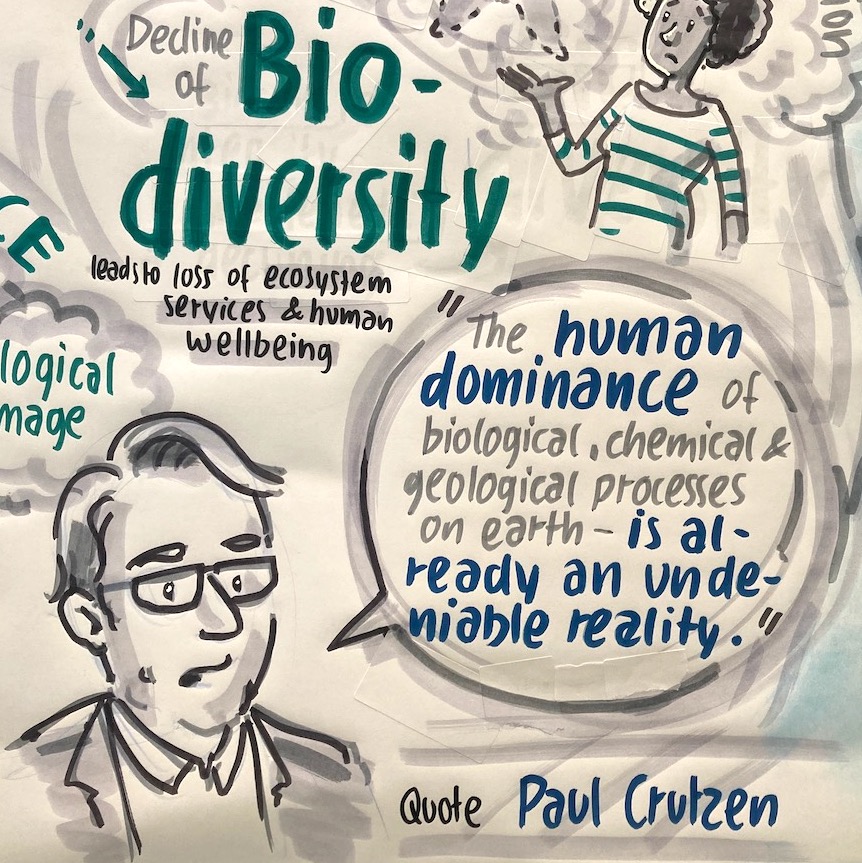
This sub-group has the overarching theme of quantifying the degree of physical, chemical and biogeochemical change during the Anthropocene.
Contacts:
Colin Summerhayes cps32@cam.ac.uk
Barbara Fiałkiewicz-Kozieł barbara.fialkiewicz-koziel@amu.edu.pl
Martin J. Head mjhead@brocku.ca
Michinobu Kuwae kuwae.michinobu.mc@ehime-u.ac.jp
Neil Rose n.rose@ucl.ac.uk
Our Approach
As its foundation documents, along with key publications from Paul Crutzen, it takes : (1) Will Steffen’s 2004 IGBP report ‘Global Change and the Earth System’; (2) Steffen et al., 2015, The trajectory of the Anthropocene: The Great Acceleration and (3) Steffen et al., 2018, Trajectories of the Earth System in the Anthropocene. PNAS. Embedded in this theme as key topics are Climate, Oceanography, Geology and Geochemistry (including biogeochemical cycles). The overall aim is to establish the record of Anthropocene change in these sub-fields, in comparison with prior developments in the Holocene and previous geological intervals, and to consider how these sub-fields are likely to develop and change during the Anthropocene epoch.
This sub-group interacts with other sub-groups within the AWG that examine the biological, historical and societal contexts of the Anthropocene, and the ways in which technological change affects Earth Systems (atmosphere, biosphere, cryosphere, hydrosphere, lithosphere, and pedosphere), as well as considering the impact of economics and geopolitics on trends and on potential tipping points. A primary objective is to explore understanding of these developments and interactions in such a way as to identify how to promote positive change and to limit changes deleterious to human and other forms of life on the planet.

How does recent biological change manifest in the physical geological record of the Anthropocene?
Here we also link strongly with the datasets that the Biological Systems sub-group of the AWG is developing, as a way of providing baselines against which past and contemporary change can be examined. Our work also underpins the increasing dataset we are building that demonstrates the utility of the proposed GSSP for the Anthropocene at Crawford Lake, Ontario, and thus cross-links with the work of the GSSP sub-group. In particular, there is a need to expand empirical datasets throughout the Global South.
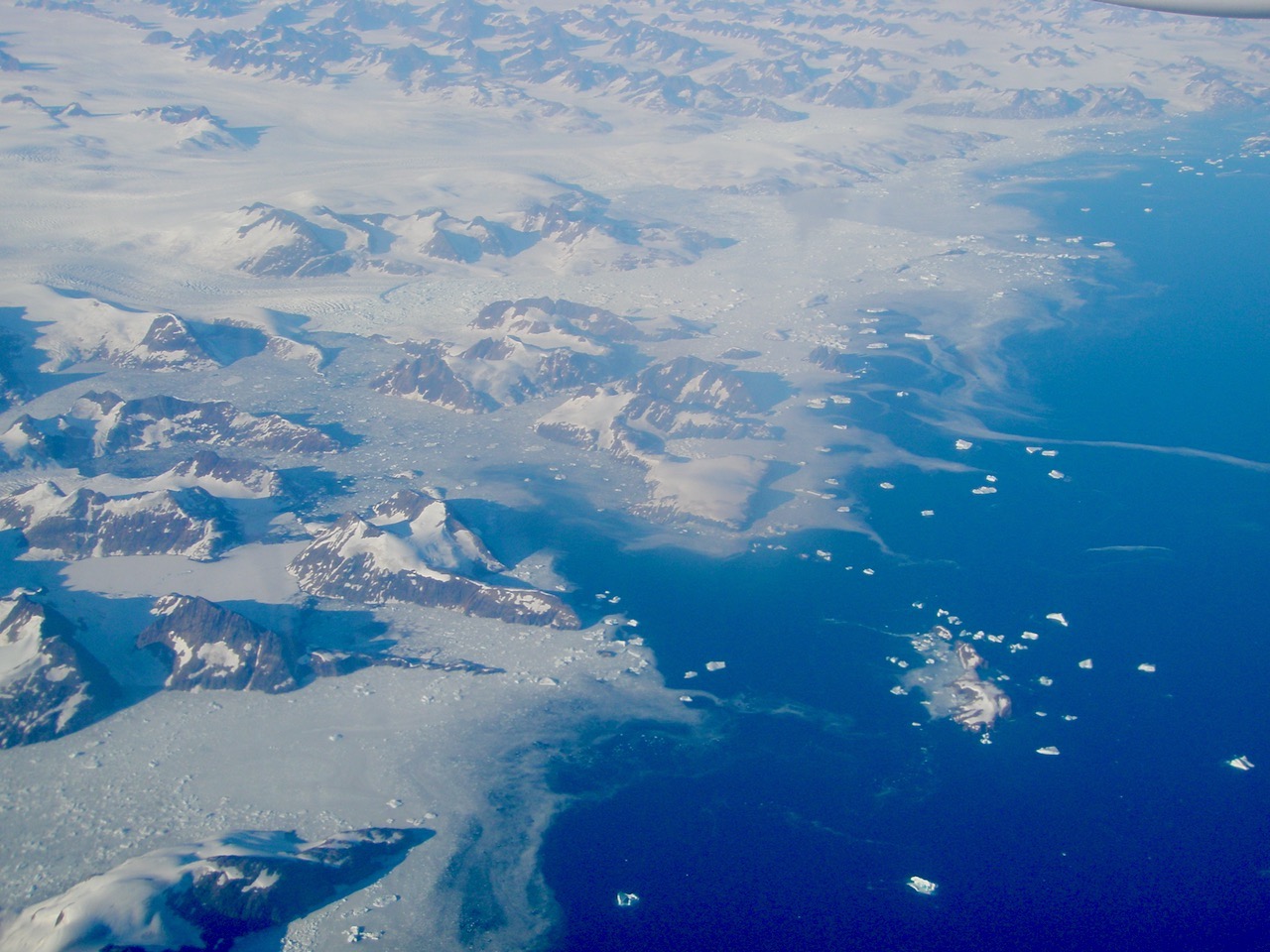
What changes are humans causing and on what scale?
This speaks to the idea of the baselines mentioned above. It would include for example data on: (i) the rates and magnitudes of loss of ice from polar and mountain landmasses; (ii) the rates and areas of loss of sea ice from polar regions; (iii) changing rates of global sea level rise; (iv) changing magnitudes and rates of rise of land and ocean temperatures; (v) changing rates and magnitudes of precipitation and drought and wildfires; (vi) changes in the biogeochemical cycles of carbon, phosphorus and nitrogen; (vii) changes to the scale and rates of emission of multiple pollutants including persistent organic pollutants, fly-ash, microplastics and trace metals.
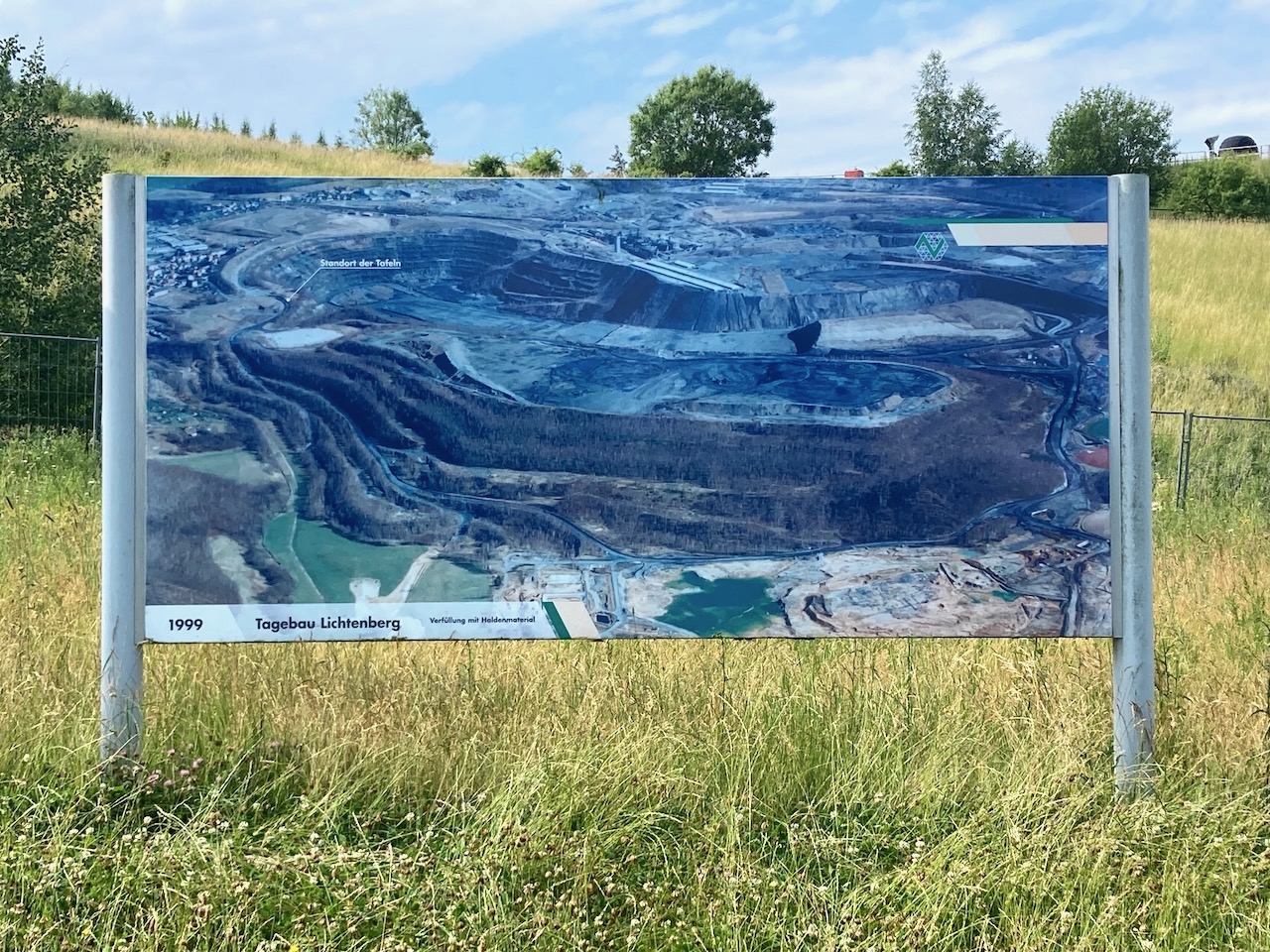
How can the Earth System be configured to limit and/or reverse the effects of physical, chemical and biogeochemical change in the Anthropocene, and on what timescales?
This would draw on, for example: (i) the development of potential tipping points in climate and ecological systems; (ii) information about the rates of change in carbon emissions vs the rates of development of alternative energy systems (such as renewable energy, nuclear energy, hydrogen power); (iii) the development of numerical models indicative of the rates and magnitudes of change likely; (iv) consideration of external changes imposed by solar change and by changes in the eccentricity of Earth’s orbit, the tilt of the Earth’s axis, and the precession of the equinoxes as determined by astronomers/astrophysicists.
Earth Systems Outputs
Publications, Resources and In Progress

Recent Publications
If you are interested in these or any of our other publications, please email the authors above
Summerhayes, Colin P., et al. (2024). The future extent of the Anthropocene epoch: A synthesis.” Global and Planetary Change, 242 https://doi.org/10.1016/j.gloplacha.2024.104568
John McNeill 2026, Something New Under the Sun: An Environmental History of the Modern World. ISBN:9781324079347
Waters, C.N. et al. (2018). Global Boundary Stratotype Section and Point (GSSP) for the Anthropocene Series: Where and how to look for potential candidates. Earth-Science Reviews, 178, 379-429. https://doi.org/10.1016/j.earscirev.2017.12.016
Rose, N.L. (2015) Spheroidal carbonaceous fly-ash particles provide a globally synchronous stratigraphic marker for the Anthropocene. Environmental Science and Technology 49 (7), 4155-4162. http://dx.doi.org/10.1021/acs.est.5b00543
Rose, N.L., Turner, S.D., Unger, L.E. and Curtis, C.J. (2021). The chronostratigraphy of the Anthropocene in southern Africa: Current status and potential. South African Journal of Geology 124(4), 1093-1106 https://doi.org/10.25131/sajg.124.0053
Chapter 2 ‘Stratigraphic signatures of the Anthropocene’ and Chapter 5 ‘Anthropocene Chemostratigraphy’ from the 2019 book ‘The Anthropocene as a Geological Time Unit’.
Fiałkiewicz-Kozieł B., Łokas E., Smieja-Król B., Turner S.D., De Vleeschouwer F., et al. (2022) The Śnieżka peatland as a candidate for the Global Boundary Stratotype Section and Point for the Anthropocene series. The Anthropocene Review, doi.org/10.1177/20530196221136425
Fiałkiewicz-Kozieł B., Bao K., Smieja-Król B., 2022. Geographical drivers of geochemical and mineralogical evolution of Motianling peatland (Northeast China) exposed to different sources of rare earth elements and Pb, Nd, and Sr isotopes. Science of the Total Environment 807, 150481.
Fiałkiewicz-Kozieł B., Łokas E., Gałka M., Kołaczek P., De Vleeschouwer F., Le Roux G., Smieja-Król B., 2020 – Influence of transboundary transport of trace elements on mountain peat geochemistry (Sudetes, Central Europe). Quaternary Science Reviews 230, 106162. doi.org/10.1016/j.quascirev.2020.106162.
Fiałkiewicz-Kozieł B., Smieja-Król B., Frontasyeva M., Słowiński M., Marcisz K., Lapshina E., Gilbert D., Buttler A., Jassey V.E.J., Kaliszan K., Laggoun-Defarge F., Kołaczek P., Lamentowicz M., 2016- Anthropogenic and natural sources of dust in peatland during the Anthropocene. Scientific Reports 6, 38731, doi: 10.1038/srep38731.
Fiałkiewicz-Kozieł B. Smieja-Król B. Łokas E. Cwanek A. Plado J., Mróz T. Wąsowicz P. Gałka M. 2025. Synchronizing Pu fallout and Inorganic Fly Ash Particles record in Northern Hemisphere peatland. Science of the Total Environment 993, https://doi.org/10.1016/j.scitotenv.2025.180011
Head, M.J., et al., 2022, The Great Acceleration is real and provides a quantitative basis for the proposed Anthropocene Series/Epoch. Episodes 45 (4), 359-376 https://doi.org/10.18814/epiiugs/2021/021031
Head, M.J., McNeill, J.R., and Zalasiewicz, J., 2025. The Great Acceleration. In: Fath, B.D. (ed.), Encyclopedia of Ecology, 3rd Edition; Elsevier. Also published as a Reference Module in Earth Systems and Environmental Sciences published by Elsevier
Kuwae, M., Yokoyama, Y., Tims, S., Froehlich, M., Fifield, L. K., Aze, T., Tsugeki, N., Doi, H., and Saito, Y. (2024) Toward defining the Anthropocene onset using a rapid increase in anthropogenic fingerprints in global geological archives. PNAS 121, e2313098121.
Kuwae M, Kinugawa K, Masuhara T, Tsugeki N, Hinata H. (2026) Coastal marine sediments as a major sink for small microplastics: Evidence from a ~100-year varved sediment record. Science of The Total Environment 1043,https://doi.org/10.1016/j.scitotenv.2026.181935

Additional Resources
Hansen, J., Sato, M., Hearty, P., et al., 2016. Ice melt, sea level rise and superstorms: evidence from paleoclimate data, climate modeling, and modern observations that 2◦C global warming could be dangerous. Atmos. Chem. Phys. 16, 3761–3812.
Hansen, J.E., Sato, M., Simons, L., et al., 2023. Global warming in the pipeline. Oxford Open Clim. Change 3 (1). https://doi.org/10.1093/oxfclm/kgad008 kgad008.
Mann, M, 2023, Our Fragile Moment: How Lessons from the Earth’s Past can Help us Survive the Climate Crisis. Scribe.
McGuire, W., 2026, The Fate of the World: A History and Future of the Climate Crisis. Harper-North.
Lenton, T.M., 2025, Positive Tipping Points: How to Fix the Climate Crisis. Oxford University Press.
Schellnhuber, H. J. (1999). ‘Earth system’ analysis and the second Copernican revolution. Nature, 402 supp., C19– C23. https://doi.org/10.1038/35011515
Schellnhuber, H. J. (2001). Earth system analysis and management. In E. Ehlers & T. Krafft (Eds.), Understanding the Earth system: Compartments, processes and interactions (pp. 17–55). Berlin, Heidelberg: Springer-Verlag. https://doi.org/10.1007/978-3-642-56843-5_2
Stern, N., 2025, The Growth Story of the 21st Century: The Economics and Opportunity of Climate Action. LSE Publications
Richardson et al. (2023) Earth beyond six of nine planetary boundaries.Sci. Adv. 9,eadh2458 DOI:10.1126/sciadv.adh2458
Rockström, J., Martin, M. A., Ganopolski, A., Donges, J. F., Feulner, G., Marwan, N., & Rahmstorf, S. (2026). We are in the Anthropocene—now what? Earth’s Future, 14, e2025EF007730. https://doi.org/10.1029/2025EF007730
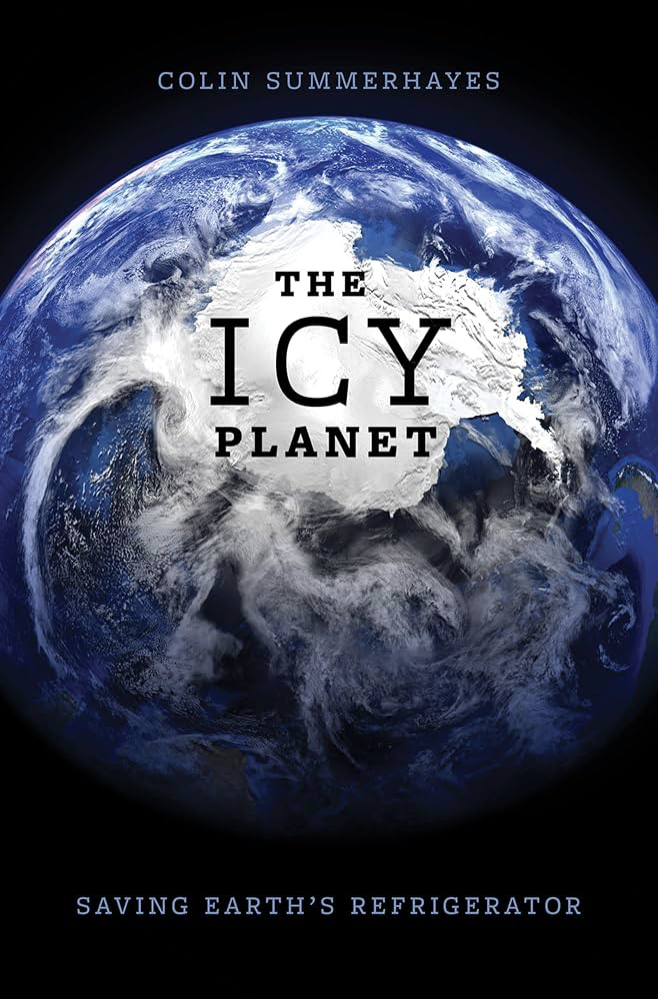
Summerhayes, C. 2022. The Icy Planet. Saving Earth’s refrigerator. Oxford University Press. https://scar.org/scar-news/new-book-the-icy-planet-saving-earth-s-refrigerator

Other core members of Earth Systems subgroup
Rob DeConto (deconto@umass.edu)
Jaia Syvitski (jai.syvitski@colorado.edu)
Jan Zalasiewicz (jaz1@leicester.ac.uk)